Analytics and Personas
Interviews and Data
Pendo
Datadog
Genesys
Mailchimp
Throughout my career I’ve benefited greatly from a focus on early planning and data-driven decision-making backed by research. Building an understanding of the market to be served or the job to be done is the first step of my process when approaching a new problem. I’ve designed numerous products and features using the insights gathered by direct interviews, indirect observation, and combing through analytics data. Whether it's a client or user, the process always benefits from some face time with the stakeholders.
I’ve had the luck of working with some great UX researchers and data scientists in my career, and I’ve picked up a lot from them. In my career I’ve worked with Google Analytics (GA4), Pendo, and Datadog for direct analytics as well as Genesys and Mailchimp for chat/AI data and mail performance.

Using Data to Improve Support Experiences
In my time at Meazure Learning, I had the fortune to be able to overhaul the support documentation and chat support functions (Zendesk and Genesys, respectively). This was a highly data-driven endeavor that involved planning the information architecture of both portions of the support platform and then getting gritty and rewriting articles and chat replies, redesigning layouts, and reconstructing an AI chatbot's call and response structure. All in service of getting users to the answers they need with a minimum of fuss.
During this process I made sure to implement analytics functions in the right place, that their functions were documented, and that results were being monitored. We updated these features in response to the real-time data that came flowing in, and the change to how Meazure looked at its support structure and interactions with its user base was significant.
User Guides, Tutorials, and Surveys
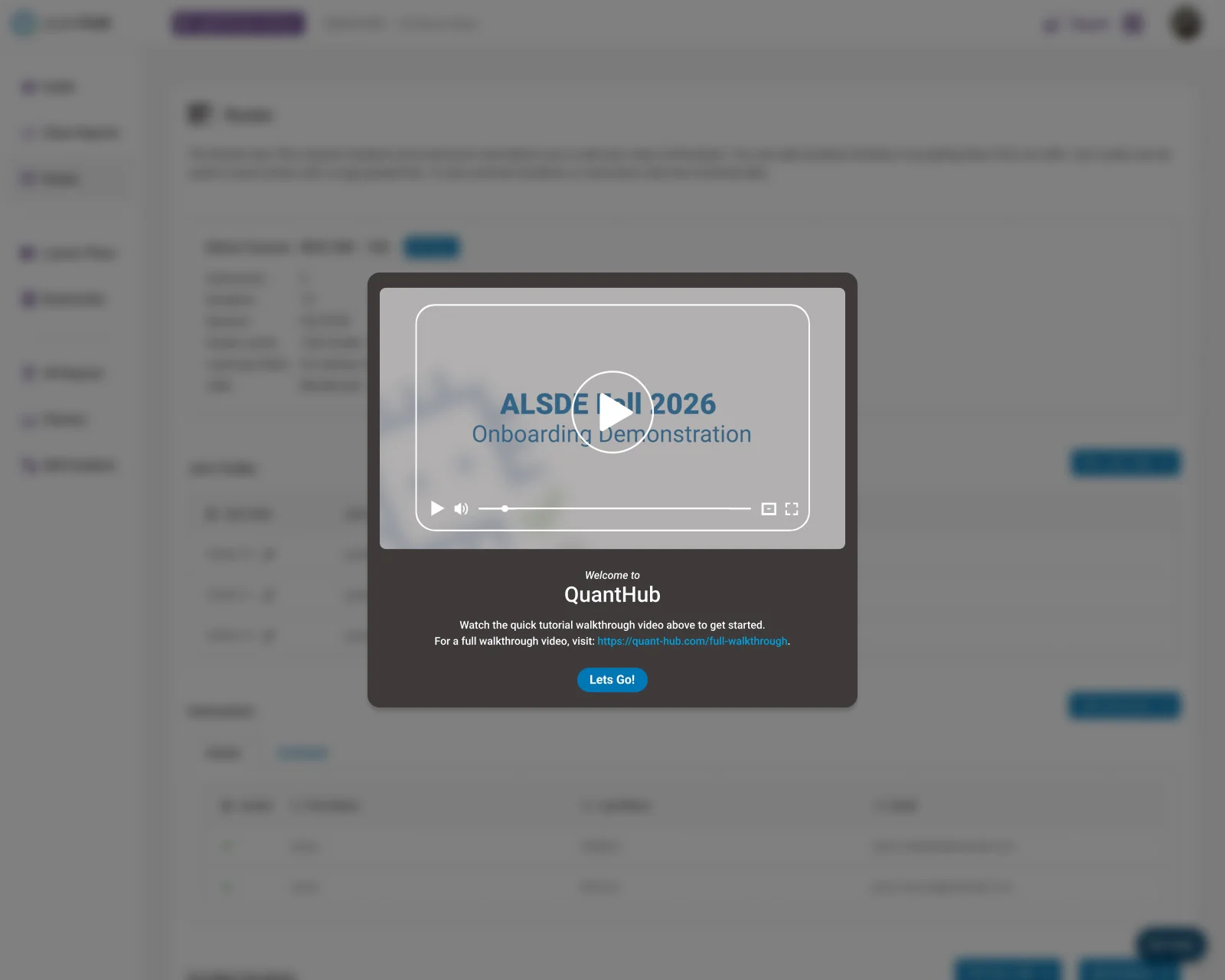
While at QuantHub, I used Pendo to better understand how users interacted with our products and provide support directly within the experience. I tracked product usage to identify areas of confusion or friction, created contextual user guides and tutorials to help users navigate those areas, and deployed surveys to gather feedback directly from users. Together, these tools gave me a way to combine behavioral data and user feedback to identify opportunities for improving both the product and the support experience.
I also used these insights to inform ongoing design decisions. Rather than treating analytics, documentation, and surveys as separate activities, I used them together to understand where users needed help, test ways of addressing those needs, and gather feedback on whether those interventions were effective.


Building Documentation to Support Research and Disseminate Information
In my career I’ve often acted as the go-between for marketing, product, and design. I’ve written many instructional documents, standards docs, and fact-finding research docs.
At Examity and Meazure, I often wrote component and standards compliance documentation for marketing, engineering, or the rest of the UX team. When handing designs over to engineering, I similarly often documented minutiae such as best practices for implementing individual components or pieces of information, and on a few occasions I ran workshops to help full-stack devs get just that little bit sharper in the specifics of UX engineering.
